When security fails because maintenance did
When the React2Shell vulnerability CVE-2025-55182 was disclosed on December 3 2025, many teams panicked. Not because the exploit was particularly sophisticated, but because they immediately understood the real cost.
Dozens of applications were involved, each frozen on its own version of React or Next.js, sometimes even tied to a specific Node runtime. Some had not been touched in months. Others in years. Before applying any fix, the first problem was not security.
It was visibility.
What is actually running in production today. Which containers are outdated. Which images were built once, pushed to a registry, and never revisited. Still deployed. Still exposed.

The invisible problem
In my case, the update took seconds. Not because I am smarter, but because the tooling and the maintenance discipline were already in place.
All the critical applications I own live in monorepos, with shared dependencies and centralized upgrades. One change, one pull request, one coordinated deployment, and the patch was applied everywhere almost immediately.
That difference looks small on paper. In practice, it completely changes how you react under pressure.
The other side of the story
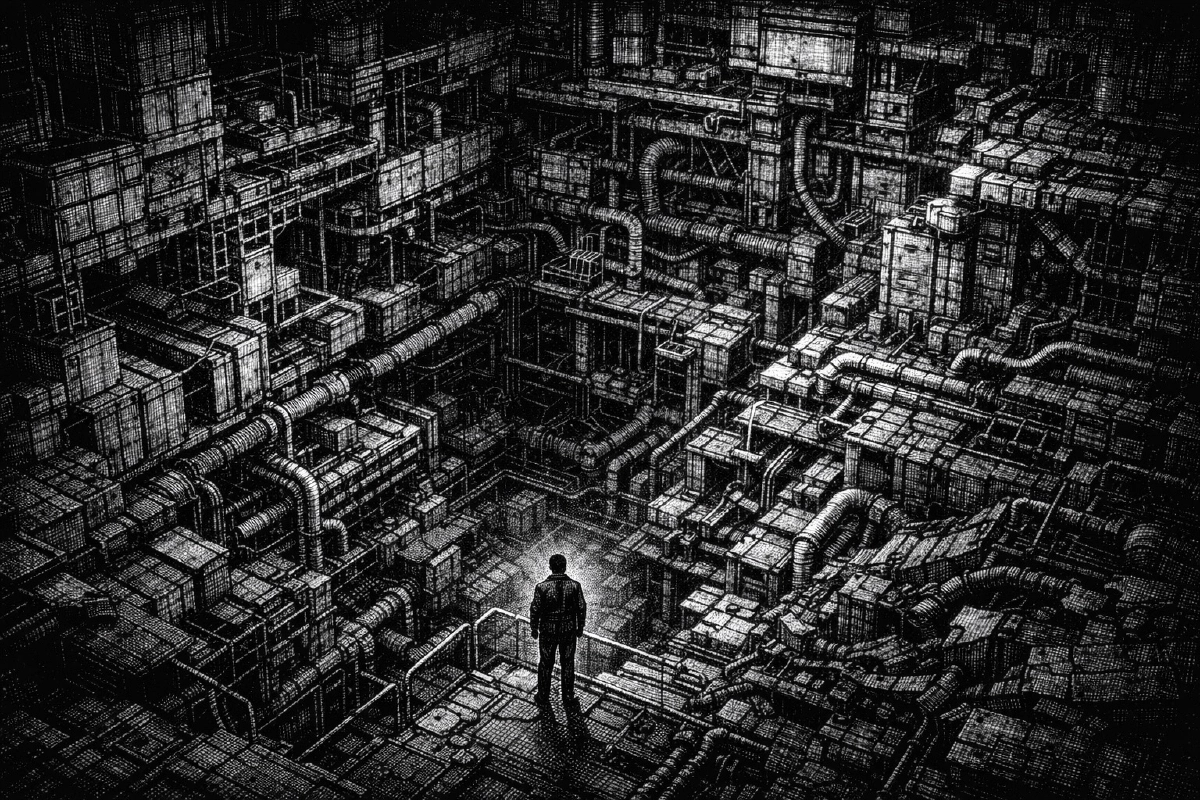
I have also been on the other side. Opening a project nobody touched in years, yet still serving real users.
Docker images measured in gigabytes. Tests that no longer pass, or worse, tests that nobody really trusts anymore. A release process that exists only in someone’s memory, and that person left a long time ago.
Before fixing the reported vulnerability, you first uncover a long list of other dependencies that also need urgent updates. At that point, the CVE is not the scary part anymore.
The maintenance debt is.
Same pattern, every time
We saw the same thing again recently with critical Node.js patches. Different ecosystem, same outcome. Teams scrambling, not because the fixes are hard, but because upgrading safely has become painful.
Maintained applications change everything. Development stays fluid. Migrations do not pile up. Upgrades stop feeling like traumatic events.
Security improves as a direct side effect.
When a vulnerability drops, you are not fighting your own stack first. You can focus on the issue itself.
What security really means
Security is not only cryptography, permissions, or audits. It is also maintenance. Fresh dependencies. Fresh images. Reproducible deployments.
When something breaks, you want to react. Not excavate.
React2Shell was a brutal reminder. The longer you let your code age, the more exposed your users become. Investing in maintenance is not busy work. It is one of the most effective ways to protect real people.
I have definitely had to dig through years old code under pressure. And I am sure I am not the only one.

 Linea
Linea
 Next.js
 NestJS
 PostgreSQL
 Web3Auth
 TypeScript
 Solidity